
Understand what self-contained means for everyday use
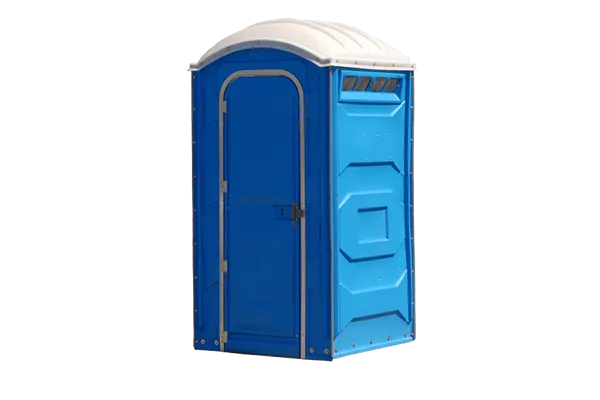
A typical standard cabin provides an enclosed toilet and retains waste in its own tank for professional servicing. It is not a connection to the property's sewer, and the customer should not empty that tank. Ask about the actual offered model, its fittings and the supplies included rather than relying on a generic photograph.
Explain the people and activities the cabin will support: a work crew, visitors to an outdoor activity or people temporarily unable to use indoor bathrooms. Include their hours and any other facilities they can actually use. These details help establish whether basic cabins are the right starting point and what additional functions are needed.
Separate missing functions from optional upgrades
If users need washing, confirm the proposed arrangement rather than assuming a standard cabin contains a sink. A separate washing station has its own water, used-water and supplies requirements. Sanitizer, where supplied, should not be confused with a confirmed washing installation.
Discuss accessible use separately from cosmetic or comfort upgrades. A larger or enhanced model is not automatically suitable for every user. Review the actual unit and the route to it. If a specific feature is requested, ask how it operates and what support it needs before deciding whether the upgrade improves your setup.
Keep the position useful after the delivery vehicle leaves
Show the provider the proposed standing surface and the way users will approach the door. The equipment needs an approved, suitable position with space for use; the customer should not improvise supports or move it later to another surface. Obtain any required property permission for the actual location.
The provider also needs a workable approach for care and collection. Keep stored materials, parking and queues from occupying that approach. If a gate, work zone or pedestrian path changes, report it so the arrangement can be reviewed rather than leaving a correctly delivered cabin inaccessible.
Make care part of the original equipment decision
Ask how cleaning, waste servicing and replenishment are included for your period of use. Confirm who reports an issue between visits and how a changed level of use is handled. An equipment count alone does not describe a care plan, and the site's observations do not replace professional waste handling.
Read the offer for the actual model, delivery, rental period, care, supplies and collection. Clarify how extensions and changes are agreed. Before collection, make sure the remaining users have another suitable facility and keep the authorized recovery route available.
Questions before you book
Does a standard cabin need a sewer connection?
A typical standard portable cabin retains waste in its own tank. Confirm the offered model and professional servicing arrangement; do not assume the description applies to a different trailer or specialist setup.
Is washing included with every standard toilet?
Do not assume so. Check the actual model and quote, and request a separate washing arrangement where the required function is not included.
Can I move the cabin after delivery?
Discuss the change with the provider. A different position can affect stability, user access, permission and servicing, so customer movement should not be used as a shortcut.
What information helps with a longer rental?
Share the expected users, hours, actual facilities already available and changes likely during the hire. Agree care, reporting, extensions and collection as part of the arrangement.