
Describe the material before asking for a container
Separate the main material categories in the request: household contents, packaging, renovation debris or another identified stream. Explain whether materials will be mixed. If you are uncertain about a substance or item, identify it and ask for a decision rather than concealing it under a general cleanout description.
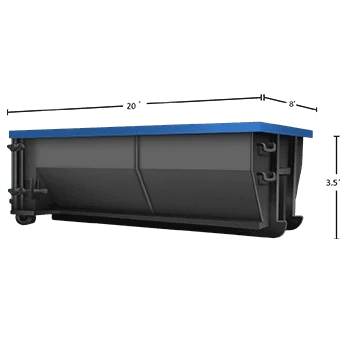
Container choice depends on both space and the material's weight and handling requirements. Ask the provider which offered option fits the proposed load and whether any materials need a separate arrangement. An advertised container size is not an acceptance list, and an empty space inside the container is not permission to add more weight.
Resolve uncertain items before loading begins
Ask for the actual prohibited-material list and any conditions on the materials you have described. Do not place liquids, chemicals, unidentified containers or other uncertain waste into the load while waiting for an answer. Different waste streams may require separate advice or a different service.
Tell everyone loading the container what has been accepted and what must remain outside the load. If a contractor discovers a different material during the work, pause that addition and ask the provider. Approval for the original project should not be stretched to cover new contents.
Choose a position that can still be collected
Identify who controls the proposed placement area and obtain the relevant permission. Explain the driveway or standing surface, entrance, nearby structures and anything overhead. The provider must assess the actual vehicle approach and equipment position; a space large enough to store a container may not be large enough to deliver it.
Ask what surface protection, if any, is suitable and who supplies it. Do not assume that a particular board arrangement prevents damage. Keep the agreed access, working area and loading opening clear throughout the project, including when other contractors park or leave materials nearby.
Compare the full collection arrangement
Request an offer identifying the container, accepted contents, hire period, included weight or other applicable allowance, delivery and final collection. Ask how extra days, heavier loads, rejected contents, failed access or a requested exchange are handled. Clear terms help you compare offers without relying on a headline amount alone.
Explain when the material will be ready and whether loading is continuous or happens in stages. Arrange changes and collection with the provider; a container becoming full does not automatically schedule its removal. If portable toilets are also needed, keep the two service scopes and their access requirements clear.
Questions before you book
Can I choose by container size alone?
Describe the contents and expected loading pattern as well. Volume, weight, restrictions and property access all affect which offered container is suitable.
What if another type of waste appears during the work?
Keep it out of the container until the provider confirms how it should be handled. Approval for the original materials is not blanket acceptance of new waste.
Does a full container get collected automatically?
Confirm the collection or exchange arrangement with the provider. Do not assume its condition triggers a visit without an agreed request.
Can I request toilets and a dumpster together?
Yes, describe both needs in the enquiry. They remain separate equipment, care and collection arrangements, and their routes must work together.