
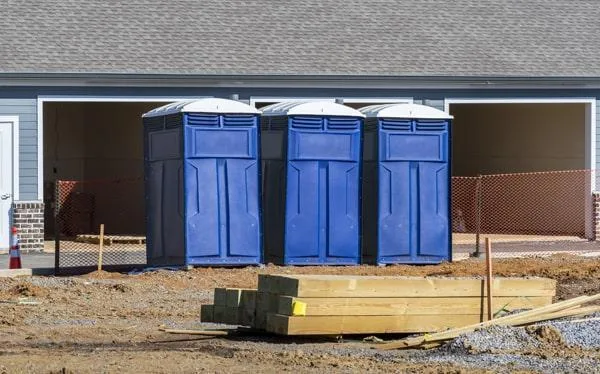
Choose functions for the people on site
A standard portable toilet is a self-contained cabin for basic toilet use. It can form the starting point of a worksite setup, but it does not automatically provide every washing or accessibility function the crew needs. Describe the users and ask which additional equipment belongs in the proposal.
Give the provider a useful picture of where crews work and when shifts overlap. Do not base the request only on the total number of people who appear on a project roster; the pattern of use and the availability of permitted indoor facilities also matter.
Select a position that remains workable
Identify stable ground and a clear user approach outside active loading, excavation and vehicle routes. Show nearby doors, gates, material storage and any changing work boundary. The provider can then review a specific proposed position instead of arriving to an unspecified corner of the property.
Think about what will occupy that space later. A useful toilet location on an empty site may be obstructed once scaffolding, fencing or deliveries arrive. Agree how a proposed change will be reported before equipment becomes difficult to use or maintain.
Plan washing and ongoing care
Handwashing needs its own place in the layout, with a suitable station and an arrangement for water, soap, drying supplies and wastewater handling. Do not assume the toilet cabin includes a sink or that sanitizer answers every washing requirement.
Establish who notices a problem and who contacts the provider. Routine servicing and the site team's checks are different tasks: an agreed cleaning visit does not mean no one should report an unexpectedly depleted supply or a blocked approach between visits.
Keep the service route separate from storage
Explain how the service vehicle reaches the approved position and whether keys, site induction or an escort are needed. Preserve that access while the facilities remain in use. If the site layout changes, agree a service solution or relocation rather than moving equipment informally.
Before accepting a quote, check the equipment, dates, delivery, planned care, consumables and collection scope. Mention any restricted working hours or access requirements that could affect visits. The same route needs to remain usable for the final pickup, not just the first delivery.
Questions before you book
Can toilets stand beside the material delivery area?
Only if the proposed location and approaches remain suitable for both uses. Avoid a layout where deliveries routinely block the user or servicing route.
Who checks supplies between service visits?
Agree a responsible site contact and a reporting arrangement. The quotation should explain which care and replenishment tasks the provider includes.
Is a toilet count enough to request a quote?
Include the address, users, working hours, expected duration and access information too. Those details help make the proposed equipment usable on the actual site.